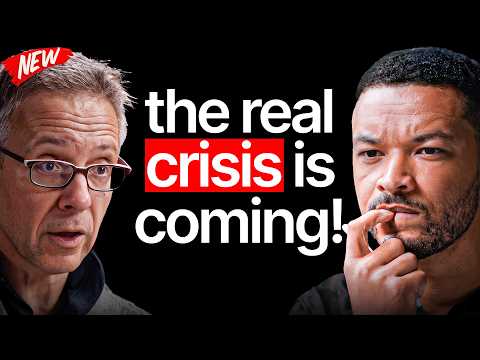
Ex-CIA Spy: China Is Preparing & We're Not Paying Attention! Here's What Happens If They Takeover!
TL;DR
- Mike Baker, a former CIA covert operations officer, reveals how intelligence agencies recruit sources and conduct espionage operations in the field
- China is executing a comprehensive 2049 plan to become the dominant global superpower while the West remains largely unprepared for the strategic threat
- The transferable skills from CIA tradecraft including persuasion, decision-making, and source management are directly applicable to building successful businesses
- Multiple geopolitical conflicts including Ukraine, Taiwan, Israel, and Iran represent interconnected threats that could escalate into broader global instability
- Nuclear proliferation remains one of the most significant long-term risks, with the probability of a nuclear incident increasing over the next century
- Misinformation and information warfare are being weaponized by state actors to control populations and shape geopolitical outcomes in their favor
Key Moments
Episode Recap
In this episode, Mike Baker, a former CIA covert operations officer turned security expert, provides Steven Bartlett with an insider's perspective on espionage, geopolitics, and the existential threats facing the Western world. Baker begins by explaining his background in covert operations, detailing what his day-to-day work entailed and how he transitioned from field operations to founding his own intelligence and security firm. He shares insights into the sophisticated techniques used by the CIA to recruit sources, including the psychological tactics and persuasion strategies employed to convince individuals to become assets. Baker emphasizes that recruitment is less about coercion and more about understanding human psychology and identifying leverage points that motivate people to collaborate with intelligence agencies. He then discusses the transferable skills from his CIA career to the business world, particularly around decision-making under uncertainty, reading people accurately, and building trust quickly, which are critical competencies for entrepreneurs and executives. The conversation pivots to geopolitical threats, with Baker expressing serious concern about China's explicit 2049 plan to establish global dominance. He argues that China is methodically preparing for this objective while the United States and Western nations are distracted or complacent. Baker explains why Taiwan is strategically vital to the West and outlines the catastrophic economic and military consequences of a Chinese takeover. The discussion extends to Russia's invasion of Ukraine, analyzing the geopolitical motivations and NATO's strategic interests in supporting Ukrainian resistance. Baker provides nuanced perspectives on the Israel-Hamas conflict, examining its origins and the complexities of achieving a sustainable resolution. He addresses the Iranian nuclear threat and explains why Western powers are deeply concerned about Iran acquiring nuclear capabilities. Baker also examines the role of technology in modern conflict, particularly how platforms like TikTok can be leveraged for information warfare and influence operations. Throughout the conversation, he emphasizes the critical importance of accurate decision-making for both national security and business success. Baker concludes by sharing his personal concerns about the trajectory of global affairs and how he is personally preparing for potential instability. He warns that misinformation campaigns may be deliberately designed to manipulate and control populations, representing a subtle but profound threat to democratic societies. Overall, Baker paints a picture of a world in flux where multiple crisis points could converge, requiring heightened awareness and preparedness from both individuals and institutions.
Notable Quotes
“The art of recruitment is not about coercion, it's about understanding what motivates people and finding the leverage points that align with their interests”
“China has a 2049 plan and they're executing it methodically while we're not paying attention to the strategic threat they represent”
“Decision-making under uncertainty is one of the most critical skills you can develop, whether in intelligence work or running a business”
“Taiwan is not just strategically important to the US, it's vital to the entire global economy and the balance of power in the Pacific”
“We need to be concerned about misinformation not because it's accidental, but because it's being weaponized deliberately to control populations and shape geopolitical outcomes”