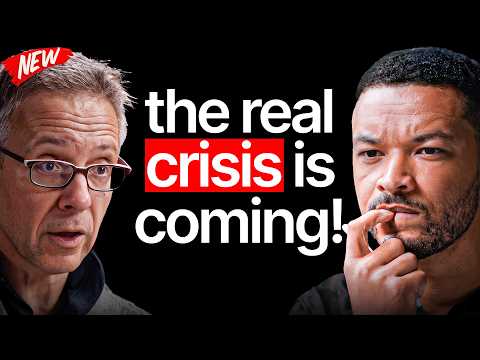
CEO Of Microsoft AI: AI Is Becoming More Dangerous And Threatening! - Mustafa Suleyman
TL;DR
- AI systems are becoming increasingly dangerous and difficult to control, presenting unprecedented risks to society that may require urgent containment strategies
- Regulation of AI may be nearly impossible due to the decentralized nature of AI development and the difficulty in defining enforceable global standards
- Quantum computers could exponentially increase AI capabilities and pose cybersecurity threats that current protective measures cannot adequately address
- Despite the risks, Suleyman chose to build companies in this space because he believes engagement and involvement in shaping AI development is more responsible than abstention
- The future may involve increasing substitution of human relationships and interactions with AI-based alternatives, fundamentally changing human connection and society
- To contain AI risks, society must focus on transparency, international cooperation, responsible development practices, and preparing for scenarios where containment fails
Key Moments
Episode Recap
In this thought-provoking episode, Mustafa Suleyman, CEO of Microsoft AI, discusses the escalating dangers of artificial intelligence and the challenges of controlling its development. Steven Bartlett engages Suleyman in a deep exploration of his concerns about AI becoming increasingly threatening to humanity.
Suleyman expresses genuine emotional concern about the trajectory of AI development. When discussing what has surprised him most over the past decade, he reflects on how rapidly AI capabilities have advanced beyond initial expectations. Bartlett articulates his own fears about the coming wave of AI technology, prompting Suleyman to address whether containment of these systems is even possible.
A significant portion of the conversation focuses on the speculative but serious question of what advanced AI systems might look like and how they could function as biological or digital entities. Suleyman explores whether meaningful regulation of AI is feasible given the global nature of technology development and the difficulty in enforcing standards across borders and organizations.
Looking ahead thirty years, Suleyman discusses whether containment of AI will have been achieved and what might motivate superintelligent AI systems to interact with or consider humanity. The discussion then turns to quantum computing, a technology that could dramatically amplify AI capabilities and potentially render current cybersecurity measures obsolete.
When asked why he chose to build companies in this space despite understanding the problems, Suleyman explains that engagement and responsible participation in AI development is more ethical than abstention or avoidance. The conversation then addresses whether governments possess the capability and willingness to regulate AI effectively.
The episode explores practical steps needed to contain AI risks, including transparency measures, international cooperation, and the development of safety protocols. Bartlett inquires about Suleyman's emotional state regarding these challenges, asking whether he feels sadness about the trajectory of technology and humanity.
A particularly poignant discussion emerges around the gradual shift toward AI interactions replacing human connections. Suleyman discusses how society may increasingly turn to AI systems for companionship, advice, and interaction rather than engaging with other people, potentially undermining human relationships and community.
The conversation concludes with practical advice for young people deciding where to dedicate their efforts and talents. Suleyman also addresses dual scenarios: what happens if humanity fails in containing advanced AI, and conversely, what success in containment might look like and entail. The episode presents a balanced but sobering perspective on AI's future.
Notable Quotes
“AI is becoming more dangerous and threatening than most people realize”
“Engagement in building responsible AI systems is more ethical than complete abstention from the field”
“Regulation of AI at a global scale may be nearly impossible to enforce effectively”
“We are moving slowly toward more AI interactions and away from genuine human connection”
“The question is not just whether we can contain AI, but what happens if we fail to do so”
Products Mentioned
Books
The Coming Wave: Technology, Power, and the Twenty-First Century's Greatest Dilemma
Mustafa Suleyman's book exploring the technological challenges and opportunities of advanced AI, quantum computing, and their societal implications.
View on Amazon →
Books
The 33 Laws Of Business & Life
Steven Bartlett's new book offering practical insights and principles for business success and personal development.
View on Amazon →
Supplements
Huel
A nutritionally complete meal replacement designed to simplify nutrition and support busy professionals.
Visit Site →