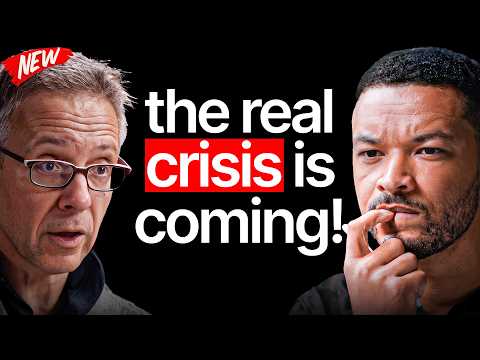
Atheist vs Christian vs Spiritual Thinker: Is Not Believing In God Causing More Harm Than Good?!
TL;DR
- Three perspectives on meaning-making collide: Christian apologist Greg Koukl argues God provides objective purpose, atheist philosopher Alex O'Connor defends secular meaning-construction, and psychiatrist Dr K bridges the gap through mental health insights
- Modern comfort and lack of struggle are quietly eroding our sense of purpose, leaving people feeling lost despite unprecedented material abundance
- The meaning crisis isn't primarily caused by lack of belief in God, but by a cultural shift away from struggle, community, and transcendent values toward individualistic happiness
- Death anxiety drives much of our search for meaning, and avoiding thoughts about mortality prevents us from living purposefully
- You can construct a fulfilling life as an agnostic or atheist by choosing meaningful pursuits, building deep relationships, and committing to values larger than yourself
- Curiosity about ultimate questions including God is valuable regardless of your beliefs, and certainty on either side can limit growth and understanding
Key Moments
Episode Recap
In this thought-provoking solo episode, Steven Bartlett moderates a three-way debate between Greg Koukl (Christian apologist), Alex O'Connor (atheist philosopher), and Dr K (Harvard-trained psychiatrist) on whether disbelief in God is causing widespread harm and meaninglessness in modern society. The conversation explores one of humanity's most pressing questions: how do we find purpose and direction in life?
Greg Koukl argues that God provides objective purpose and moral grounding that secular frameworks cannot replicate. He contends that without transcendent meaning, people drift aimlessly despite material success. Alex O'Connor counters that humans are fully capable of constructing meaningful lives through reason, relationships, and chosen values without divine authority. Dr K, bridging both perspectives, suggests the real crisis stems not from atheism specifically but from modern society's removal of struggle, community, and shared meaning-making practices.
A central tension emerges around the question of whether meaning must be discovered (as religious frameworks suggest) or created (as secular approaches propose). The discussion reveals that comfort itself might be the enemy of purpose. Throughout human history, struggle and challenge have forced people to find meaning. Modern abundance, while beneficial materially, has paradoxically left many feeling empty and lost.
Death anxiety repeatedly surfaces as the underlying driver of our meaning-seeking behavior. Both believers and non-believers use their worldviews to manage existential dread. Koukl suggests that faith in God provides peace regarding mortality, while O'Connor argues that accepting death's finality can actually make life more meaningful. Dr K notes that avoidance of these thoughts entirely prevents people from accessing the motivation that comes from acknowledging human limitation.
The conversation challenges the cultural mantra of "do what makes you happy." All three speakers agree this advice is hollow and actually harmful. True meaning comes from pursuits that involve sacrifice, contribution to something beyond oneself, and often some degree of difficulty. Whether that purpose is religious or secular matters less than whether it requires commitment and struggle.
A fascinating moment occurs when discussing the "paperclip problem," which questions whether a universe created by God is fundamentally different from a meaningless one if God's purpose is unknowable. This exposes logical tensions in both religious and atheistic frameworks.
The episode ultimately suggests that the meaning crisis isn't about belief in God per se, but about a culture that has abandoned the practices and commitments that historically generated purpose. Both religious and secular people need community, challenge, transcendent values, and honest engagement with existential questions. The conversation empowers listeners to construct meaningful lives regardless of their metaphysical beliefs, while encouraging genuine curiosity about ultimate questions rather than defensive certainty.
Notable Quotes
“Comfort is quietly killing your sense of purpose because struggle is what forces meaning into our lives”
“The real question isn't whether God exists, but whether you're engaging with the hard questions about why you're here”
“Modern loneliness stems not from lack of belief but from lack of community and shared commitment to something larger than ourselves”
“Do what makes you happy is the worst advice for finding meaning because true meaning requires sacrifice and difficulty”
“Death anxiety drives our search for meaning, and avoiding thoughts about mortality prevents us from living purposefully”
Products Mentioned
Books
Stand to Reason
Greg Koukl's Christian apologetics organization providing resources and training on faith and reason.
View on Amazon →
Books
Cosmic Skeptic
Alex O'Connor's philosophy channel exploring atheism, religion, and existential questions through reasoned debate.
View on Amazon →
Books
Healthy Gamer
Dr K's mental health platform combining psychiatry and psychology to help people understand themselves and find purpose.
Visit Site →